digital survey

We transform reality into turnkey 3D models.

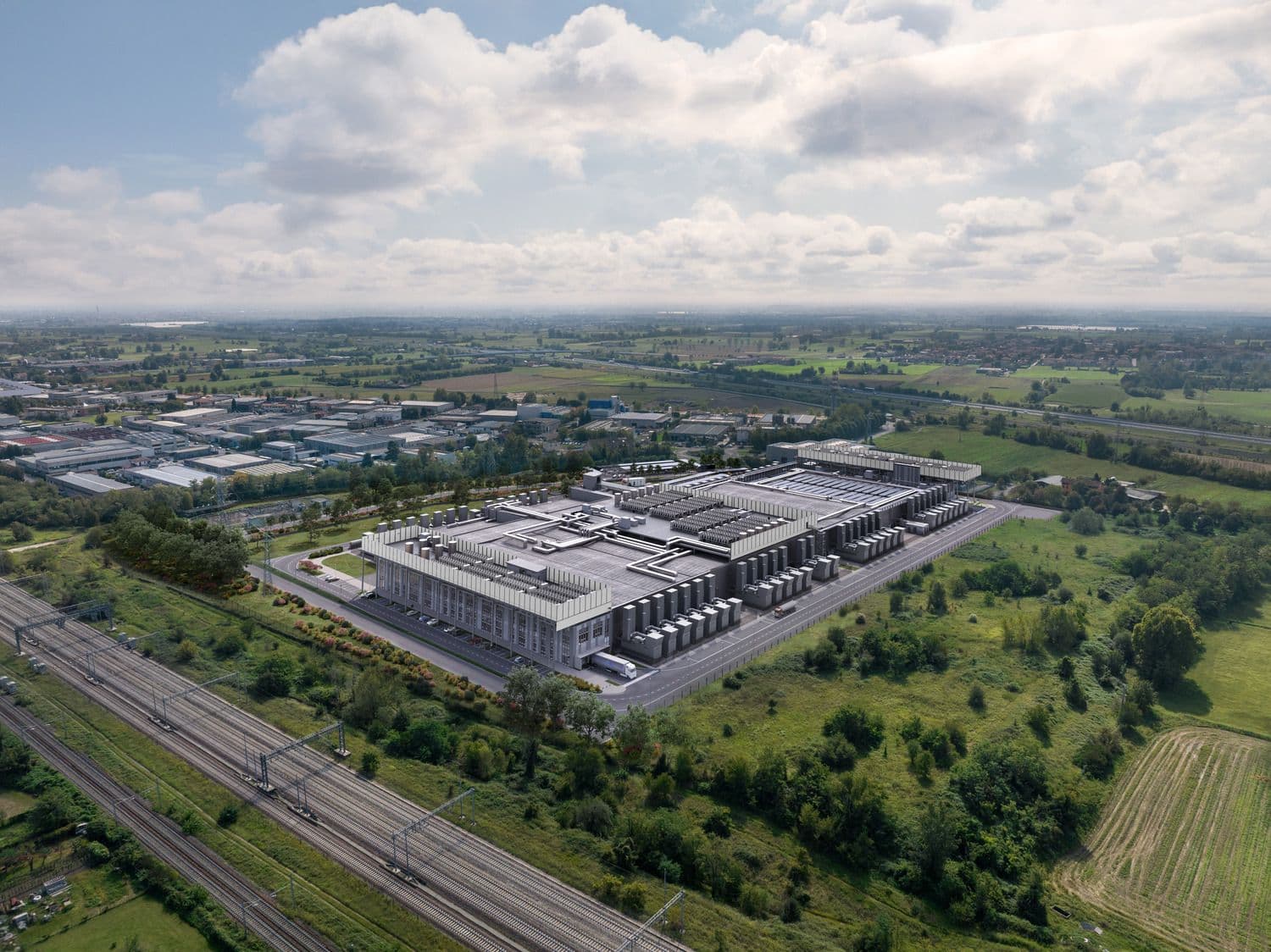
One of the main drivers of innovation in Proptech, the set of advanced technological solutions serving the real estate sector, is Digital Survey: a project-oriented approach to surveying that enables the acquisition of precise and comprehensive data on buildings and landscapes. The goal is to offer a comprehensive and integrated service, capable of ensuring continuity, precision, order, and control.

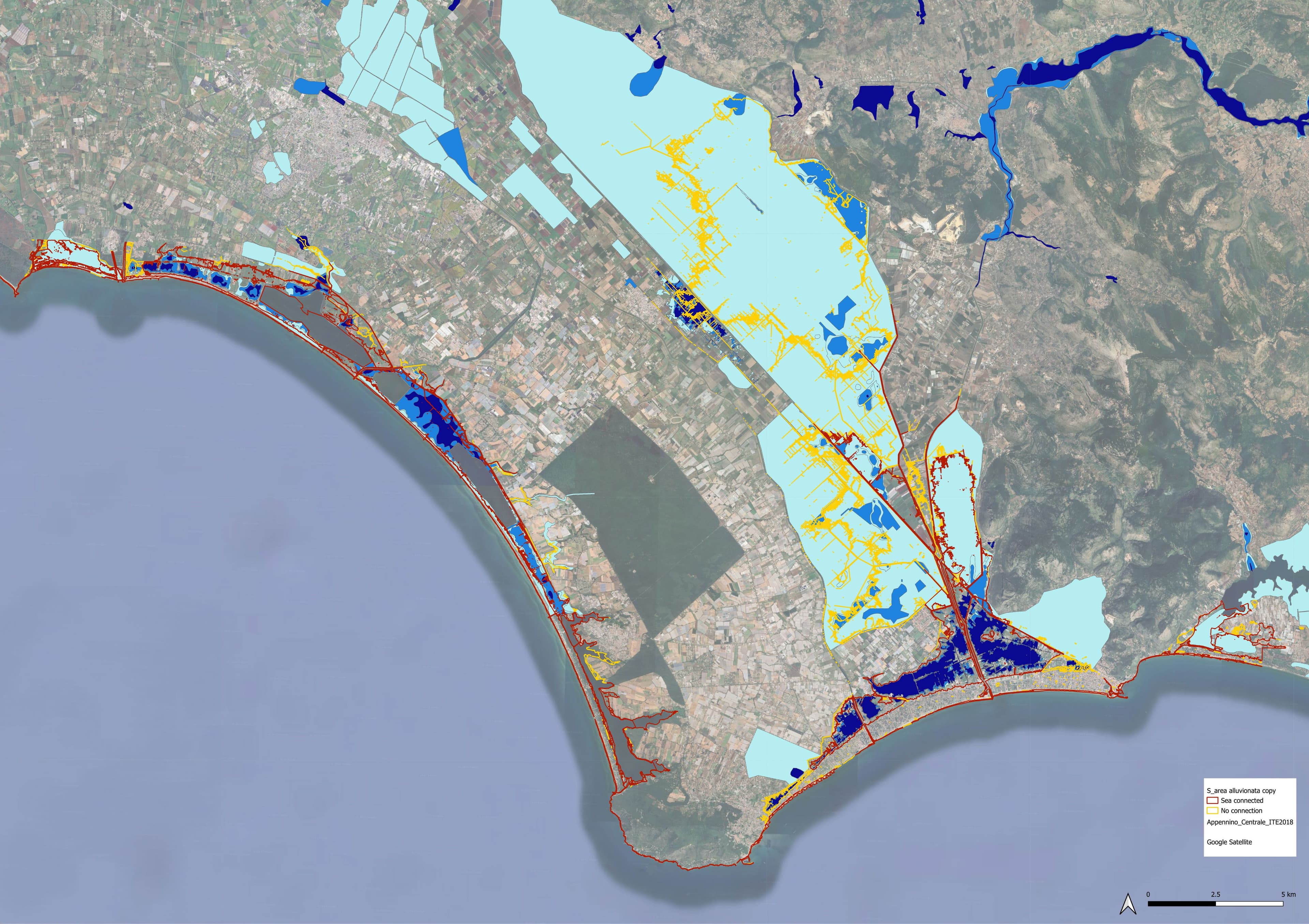
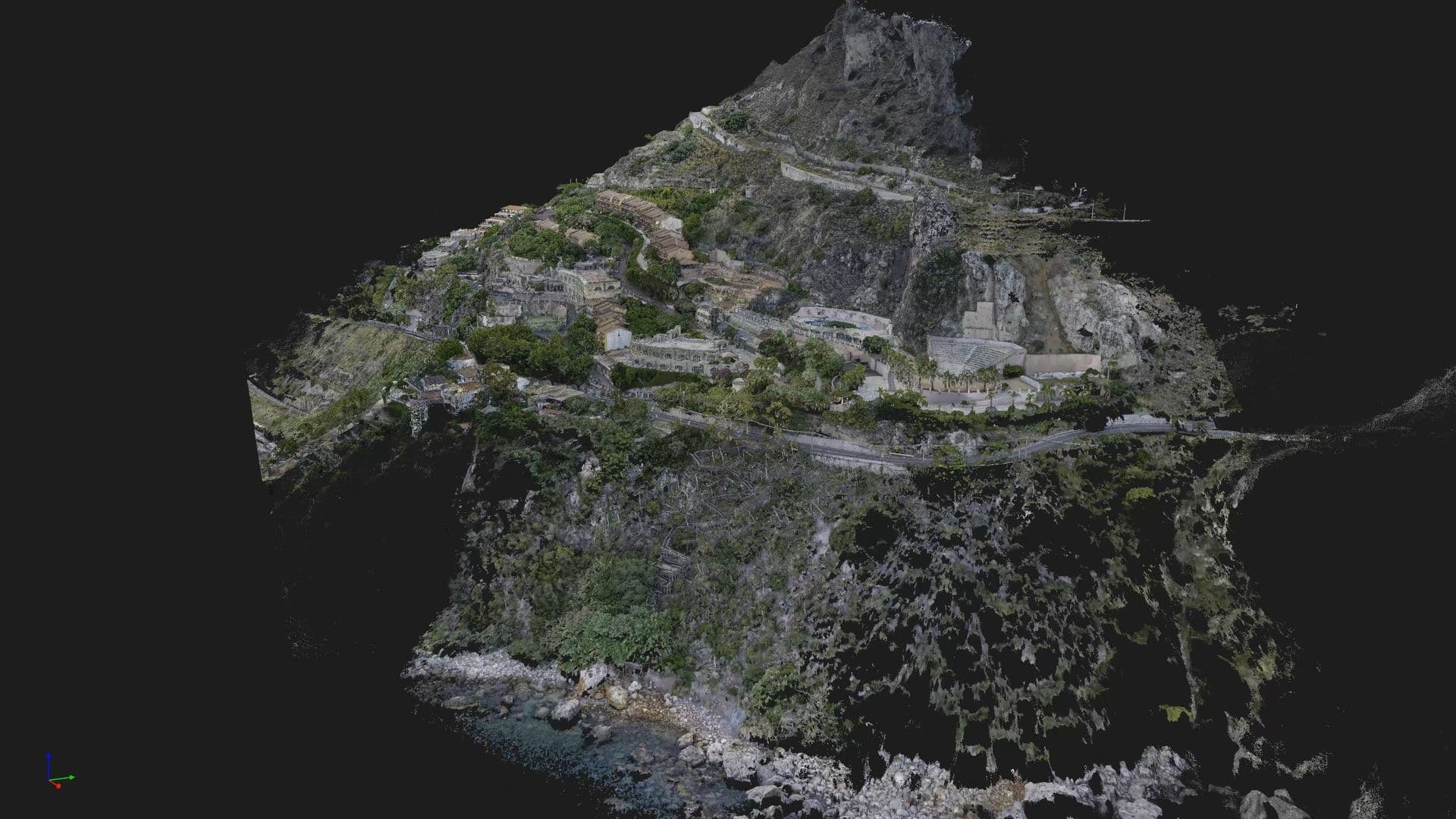
Thanks to the introduction of Digital Survey in topographic surveying, integrating laser scanning, drones with RTK/PPK and LIDAR sensors, and GNSS antennas, we are witnessing significant innovations. From the production of 2D plans, we are moving to the generation of digital terrain models, surfaces, and high-resolution georeferenced orthophotos.

Mechanism and Pathology Analysis

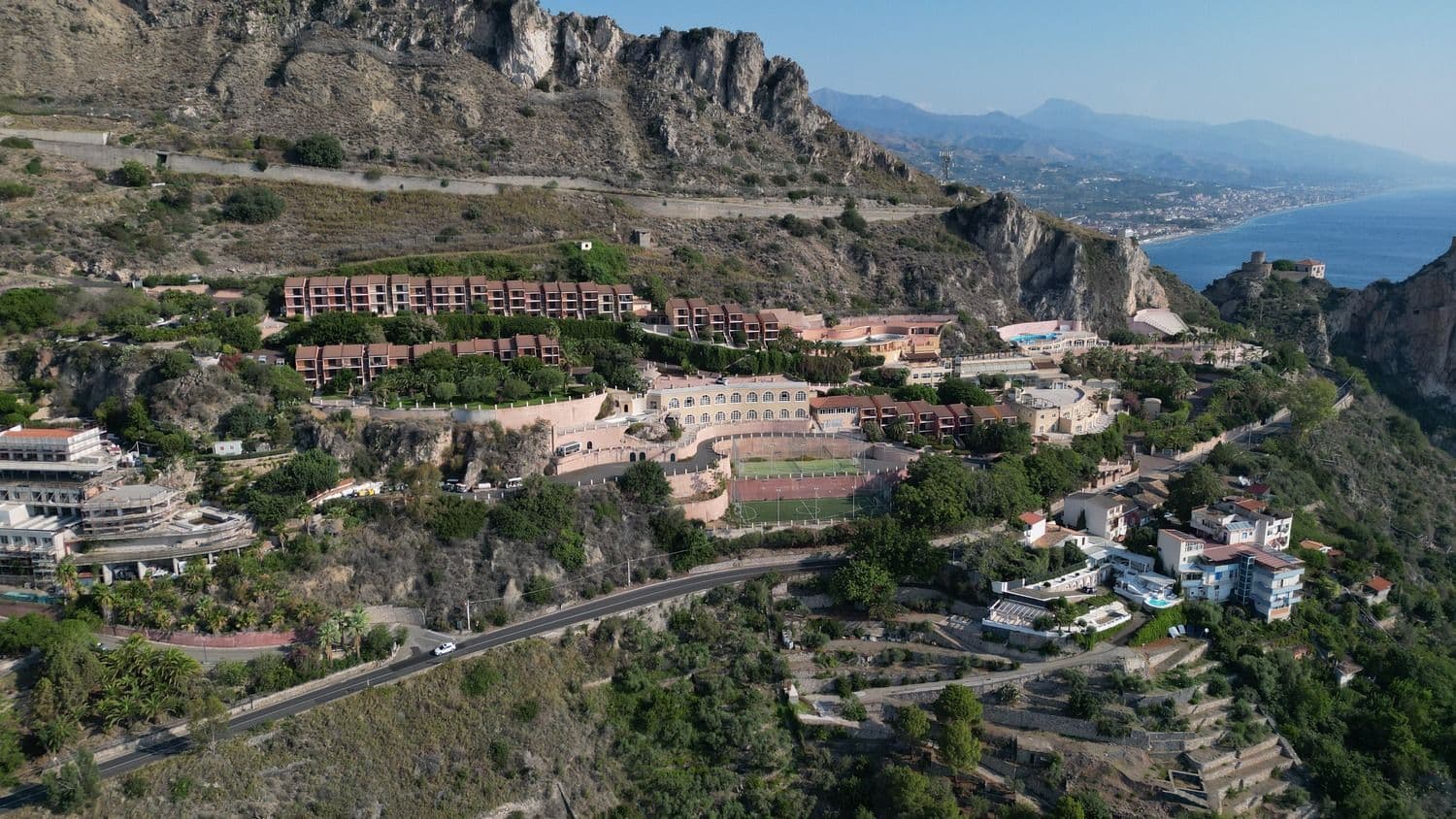
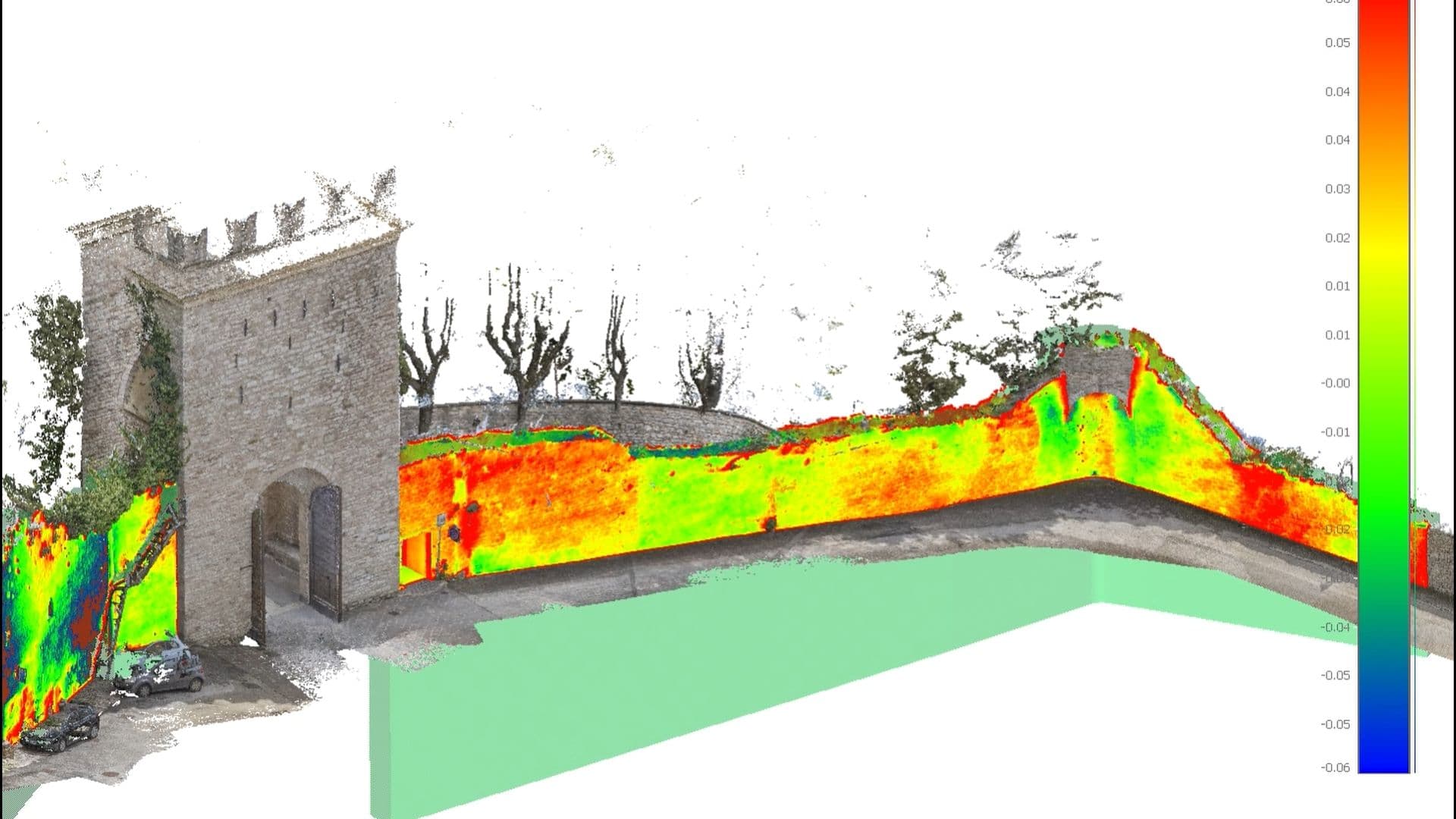
The integrated use of LiDAR surveys and digital photogrammetry provides a detailed understanding of the state of structures. This method allows for the analysis of deformations, cracks, or detachments, monitoring their evolution. The point cloud, integrated into the BIM model, enables advanced volumetric analysis and comparison between As-Built and As-Designed, supporting precision engineering and the digital management of built assets.
Thermographic analysis

We obtain detailed technical data on buildings and entire areas through the combined use of digital photogrammetry and thermal infrared. This allows us to identify critical issues related to heat loss and promote targeted interventions for sustainability and energy efficiency through digitalization and design integration processes.

Underground Inspections

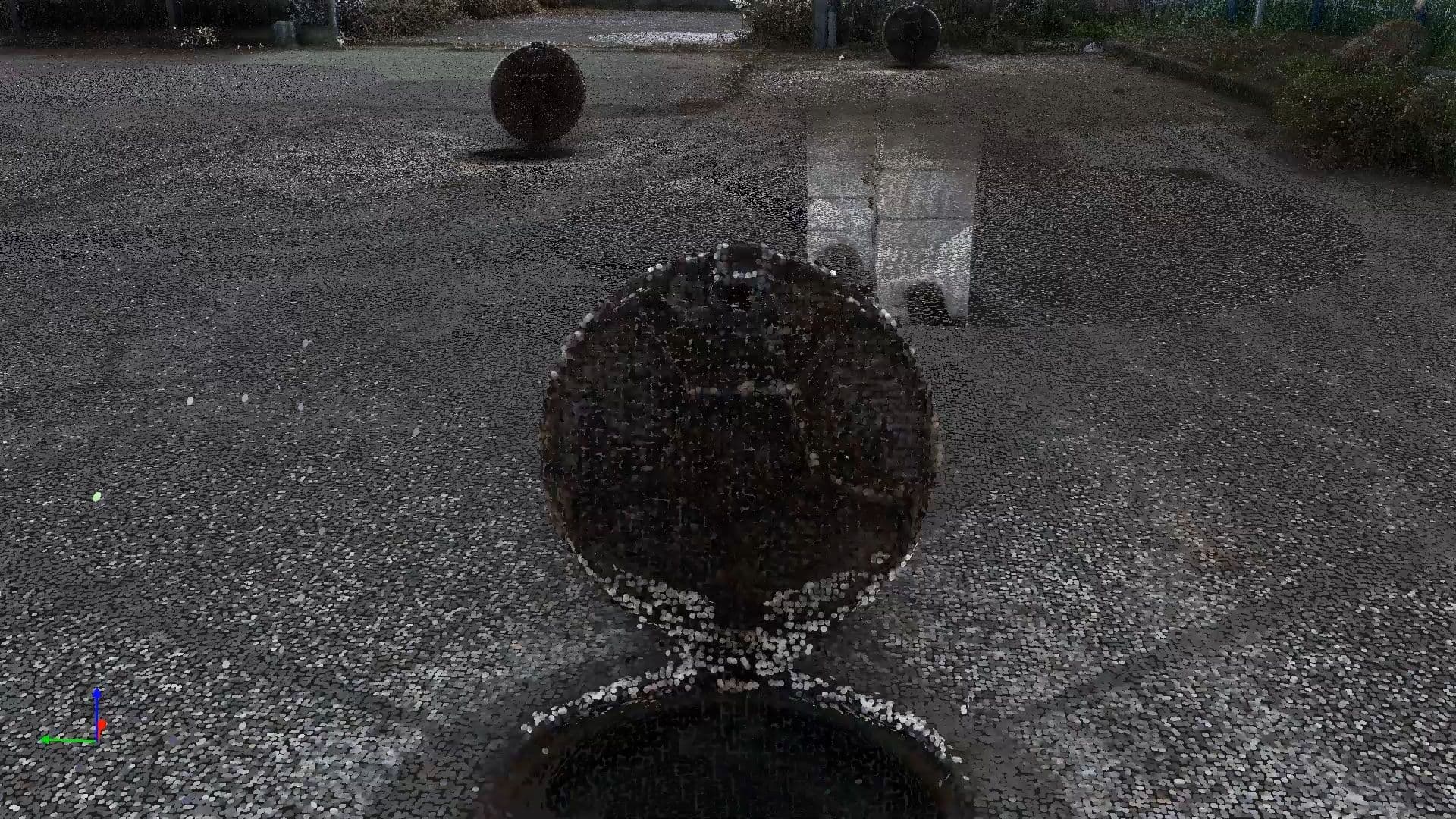
We transform underground inspections into strategic intelligence. We use CCTV video inspections, LiDAR surveys, and ground penetrating radar to map, diagnose, and monitor the condition of underground facilities. We offer comprehensive understanding of the underground utility network and non-destructive analysis tools to support every phase of the project. We identify anomalies, developing targeted intervention strategies for predictive maintenance, rehabilitation, and operational efficiency.

Digital surveys

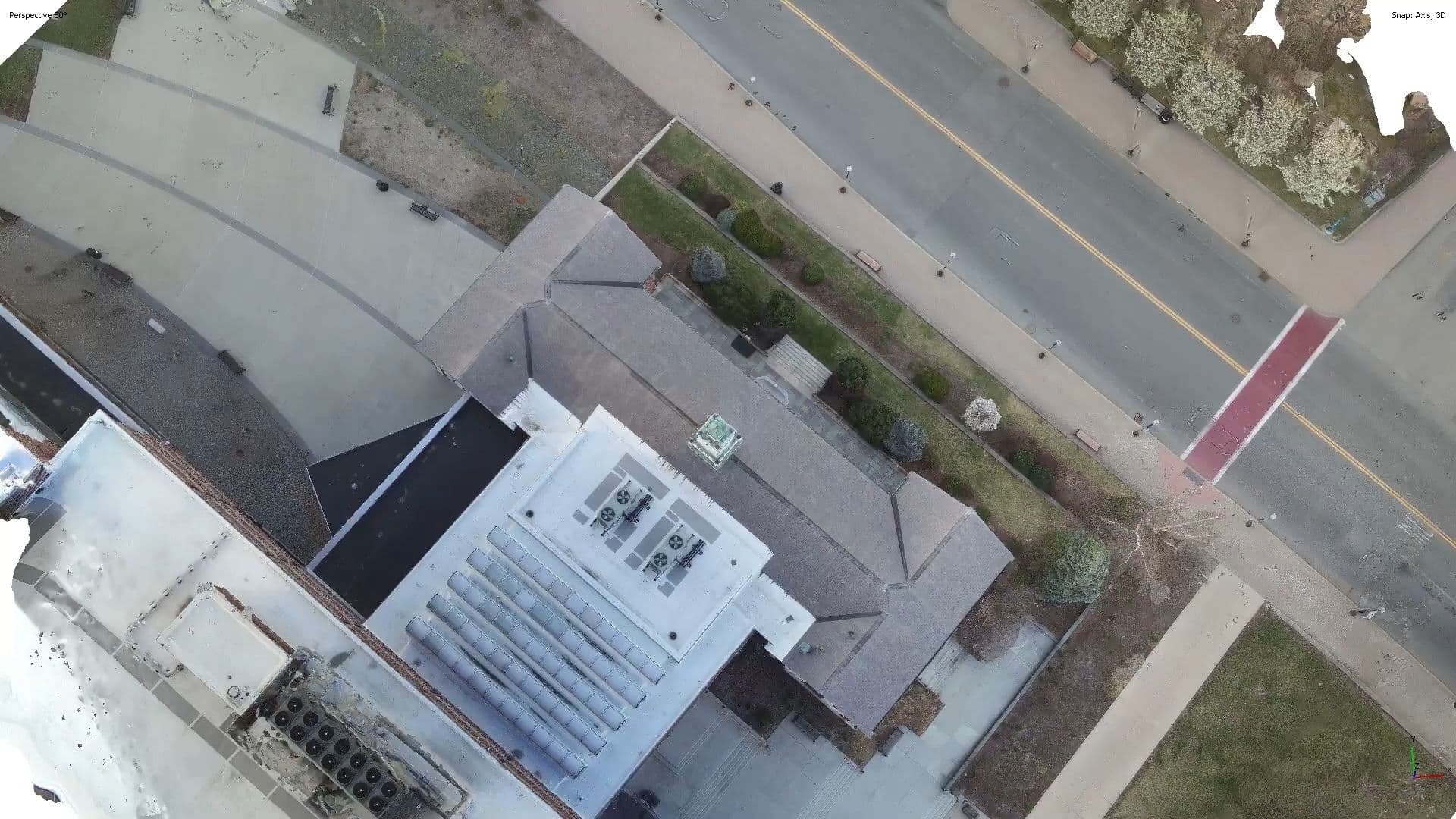
Thanks to digital surveys, we are able to create accurate and informative 3D models, useful at every stage of the design process, from restoration to existing work, to new construction. Our in-depth knowledge of the asset allows us to monitor all phases of the project, promptly addressing critical issues or changes during construction.

On-site monitoring

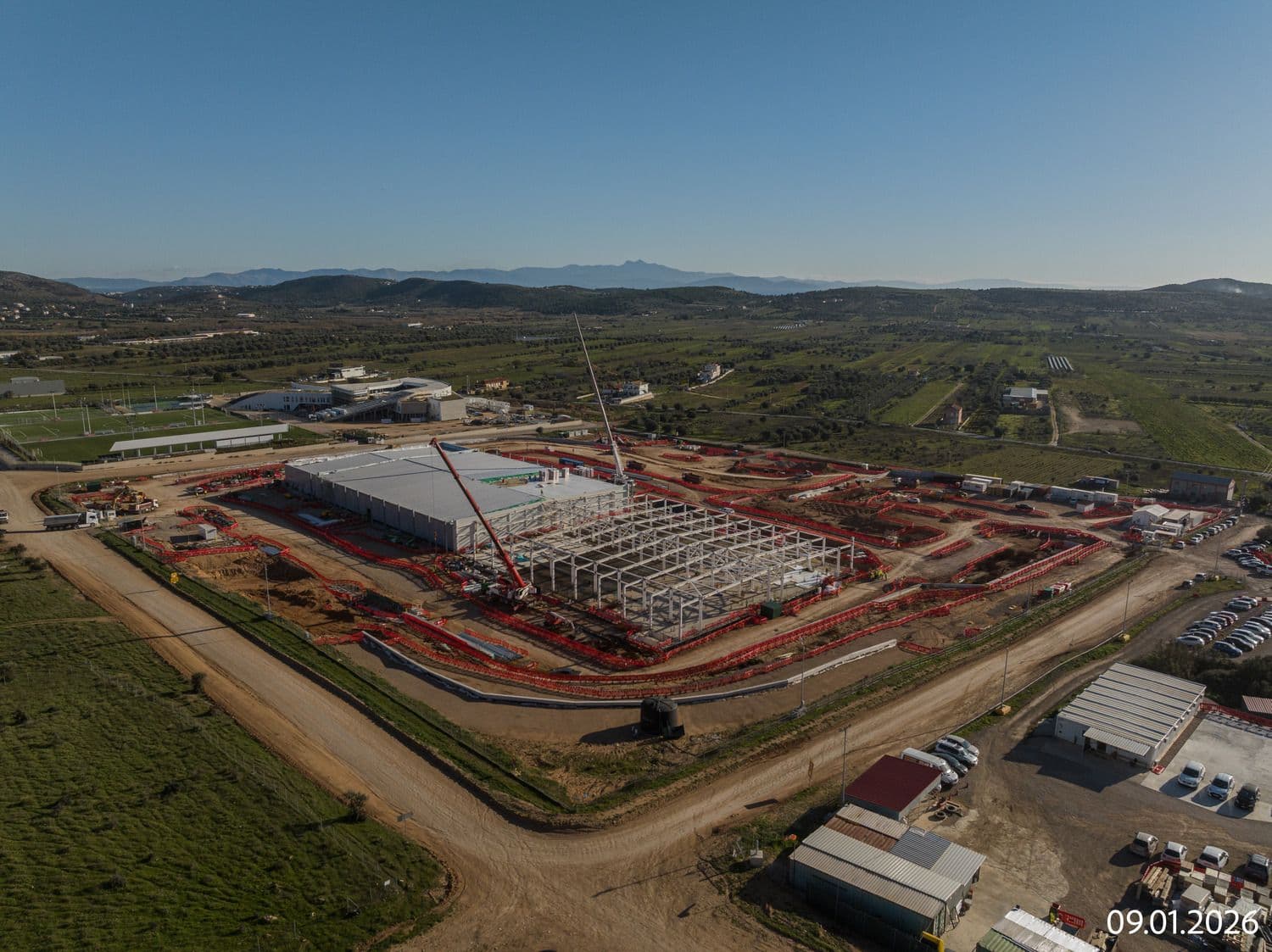
We transform construction site monitoring into an objective, transparent, and strategic process. We fly drones and create a photogrammetric model that allows us to observe the progress of the work and the project, thus obtaining complete documentation.

Geospatial analysis

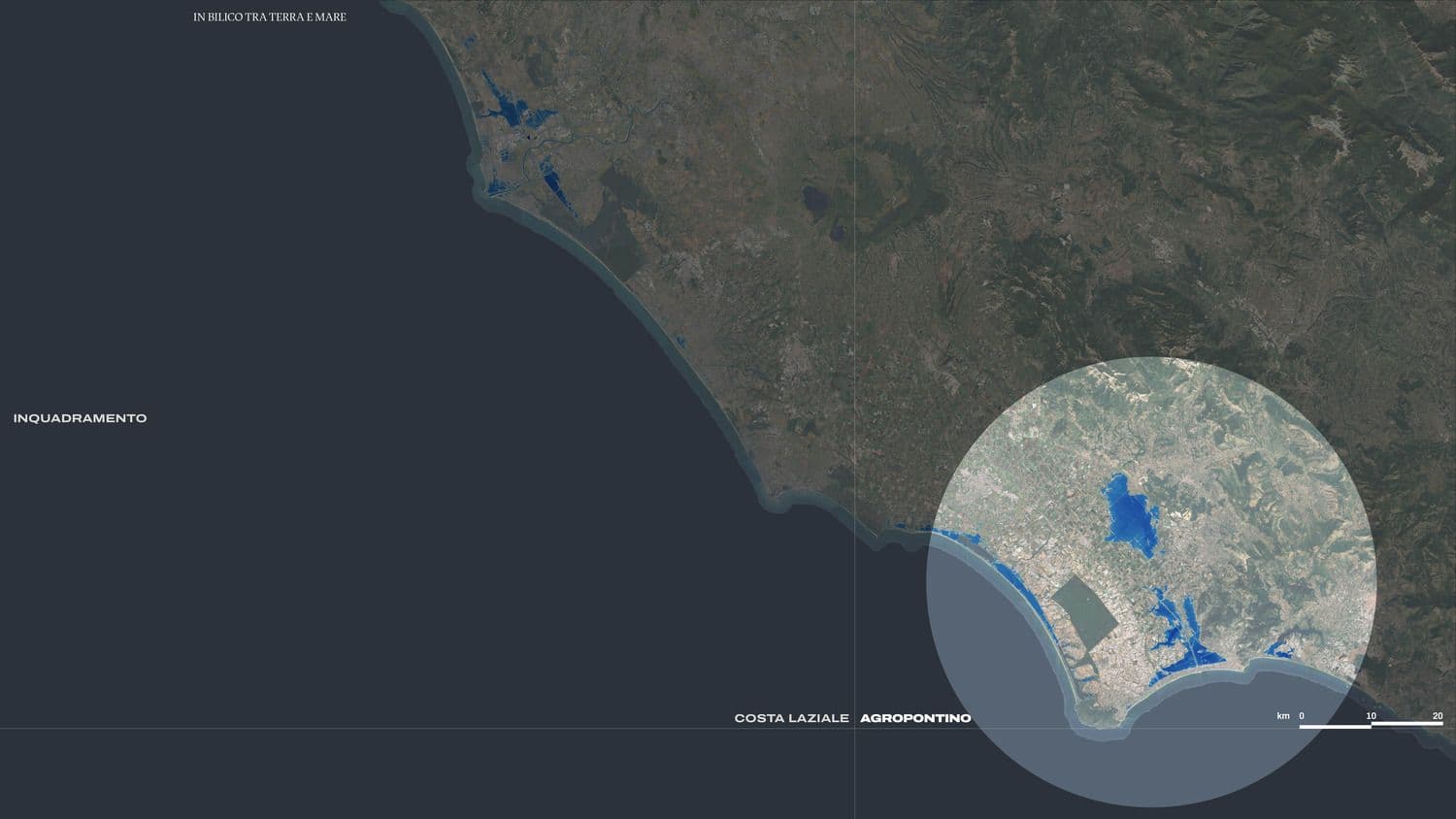
We offer three-dimensional spatial knowledge and geospatial analysis tools to support every phase of the project. We thus reduce uncertainty and provide a comprehensive, up-to-date, and decision-making-oriented vision.

Mechanism and Pathology Analysis

The integrated use of LiDAR surveys and digital photogrammetry provides a detailed understanding of the state of structures. This method allows for the analysis of deformations, cracks, or detachments, monitoring their evolution. The point cloud, integrated into the BIM model, enables advanced volumetric analysis and comparison between As-Built and As-Designed, supporting precision engineering and the digital management of built assets.
Thermographic analysis

We obtain detailed technical data on buildings and entire areas through the combined use of digital photogrammetry and thermal infrared. This allows us to identify critical issues related to heat loss and promote targeted interventions for sustainability and energy efficiency through digitalization and design integration processes.

Underground Inspections

We transform underground inspections into strategic intelligence. We use CCTV video inspections, LiDAR surveys, and ground penetrating radar to map, diagnose, and monitor the condition of underground facilities. We offer comprehensive understanding of the underground utility network and non-destructive analysis tools to support every phase of the project. We identify anomalies, developing targeted intervention strategies for predictive maintenance, rehabilitation, and operational efficiency.

Digital surveys

Thanks to digital surveys, we are able to create accurate and informative 3D models, useful at every stage of the design process, from restoration to existing work, to new construction. Our in-depth knowledge of the asset allows us to monitor all phases of the project, promptly addressing critical issues or changes during construction.

On-site monitoring

We transform construction site monitoring into an objective, transparent, and strategic process. We fly drones and create a photogrammetric model that allows us to observe the progress of the work and the project, thus obtaining complete documentation.

Geospatial analysis

We offer three-dimensional spatial knowledge and geospatial analysis tools to support every phase of the project. We thus reduce uncertainty and provide a comprehensive, up-to-date, and decision-making-oriented vision.

Mechanism and Pathology Analysis

The integrated use of LiDAR surveys and digital photogrammetry provides a detailed understanding of the state of structures. This method allows for the analysis of deformations, cracks, or detachments, monitoring their evolution. The point cloud, integrated into the BIM model, enables advanced volumetric analysis and comparison between As-Built and As-Designed, supporting precision engineering and the digital management of built assets.

Thermographic analysis

We obtain detailed technical data on buildings and entire areas through the combined use of digital photogrammetry and thermal infrared. This allows us to identify critical issues related to heat loss and promote targeted interventions for sustainability and energy efficiency through digitalization and design integration processes.

Underground Inspections

We transform underground inspections into strategic intelligence. We use CCTV video inspections, LiDAR surveys, and ground penetrating radar to map, diagnose, and monitor the condition of underground facilities. We offer comprehensive understanding of the underground utility network and non-destructive analysis tools to support every phase of the project. We identify anomalies, developing targeted intervention strategies for predictive maintenance, rehabilitation, and operational efficiency.

Digital surveys

Thanks to digital surveys, we are able to create accurate and informative 3D models, useful at every stage of the design process, from restoration to existing work, to new construction. Our in-depth knowledge of the asset allows us to monitor all phases of the project, promptly addressing critical issues or changes during construction.

On-site monitoring

We transform construction site monitoring into an objective, transparent, and strategic process. We fly drones and create a photogrammetric model that allows us to observe the progress of the work and the project, thus obtaining complete documentation.

Geospatial analysis

We offer three-dimensional spatial knowledge and geospatial analysis tools to support every phase of the project. We thus reduce uncertainty and provide a comprehensive, up-to-date, and decision-making-oriented vision.

Technologies

We use technological tools with a critical approach, integrating them together.

LASER SCANNER: Allows for shape and position detection
THERMAL CAMERA: Quickly and non-invasively detects temperature distributions
DRONE: Allows for rapid and detailed surveys of large, even inaccessible, areas
GNSS: Accurately and uniquely geolocalizes each survey
GEORADAR: Allows for the non-invasive identification of underground utilities and structures
PHOTOGRAMMETRY: Uses digital photographs to create 3D models
BIM MODELING: Result of the digital survey process and 3D container of geometric and information data

Projects

Discover our Digital Reality services

Learn more about our approach to Proptech