Mandarin Oriental, Lago di Como
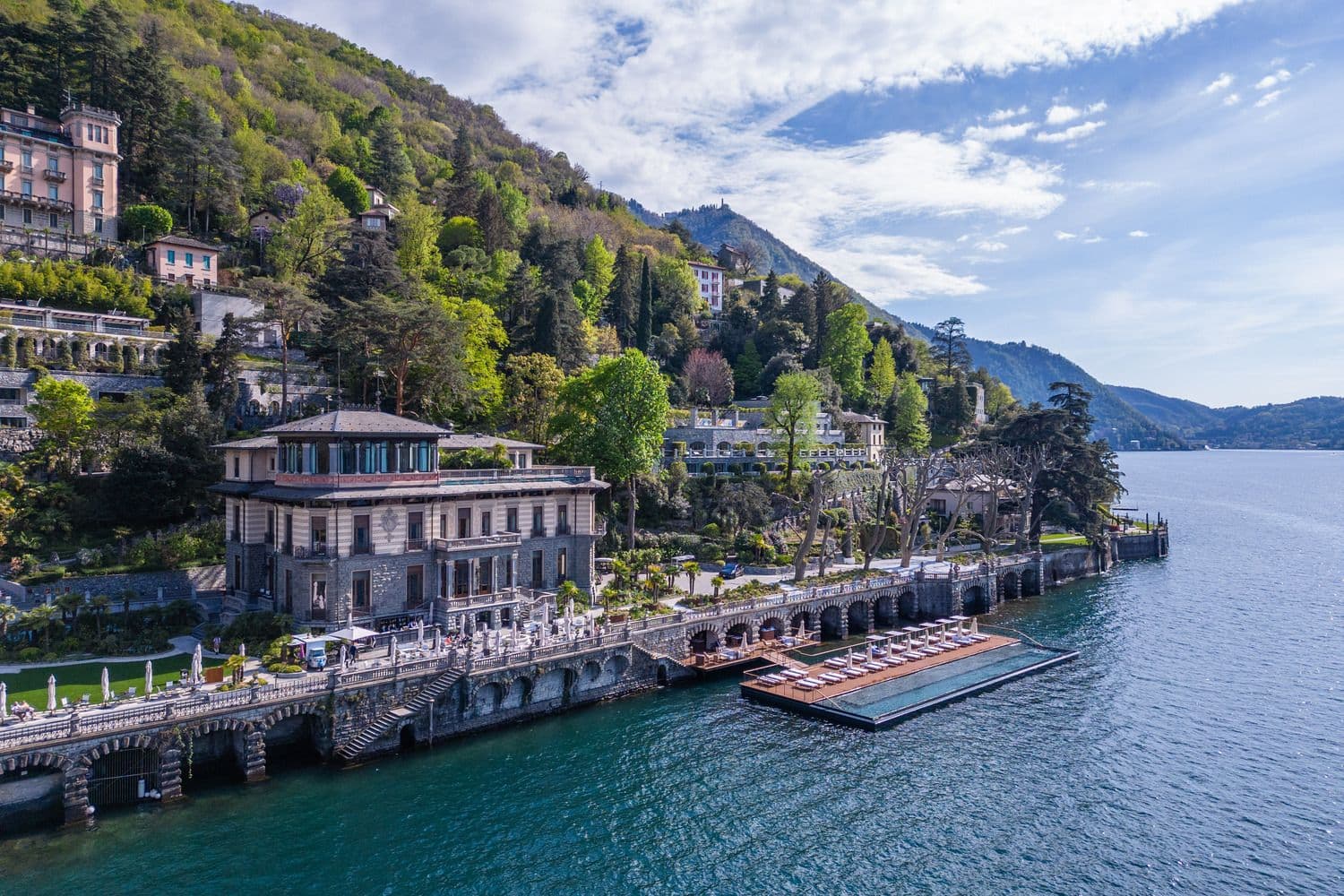
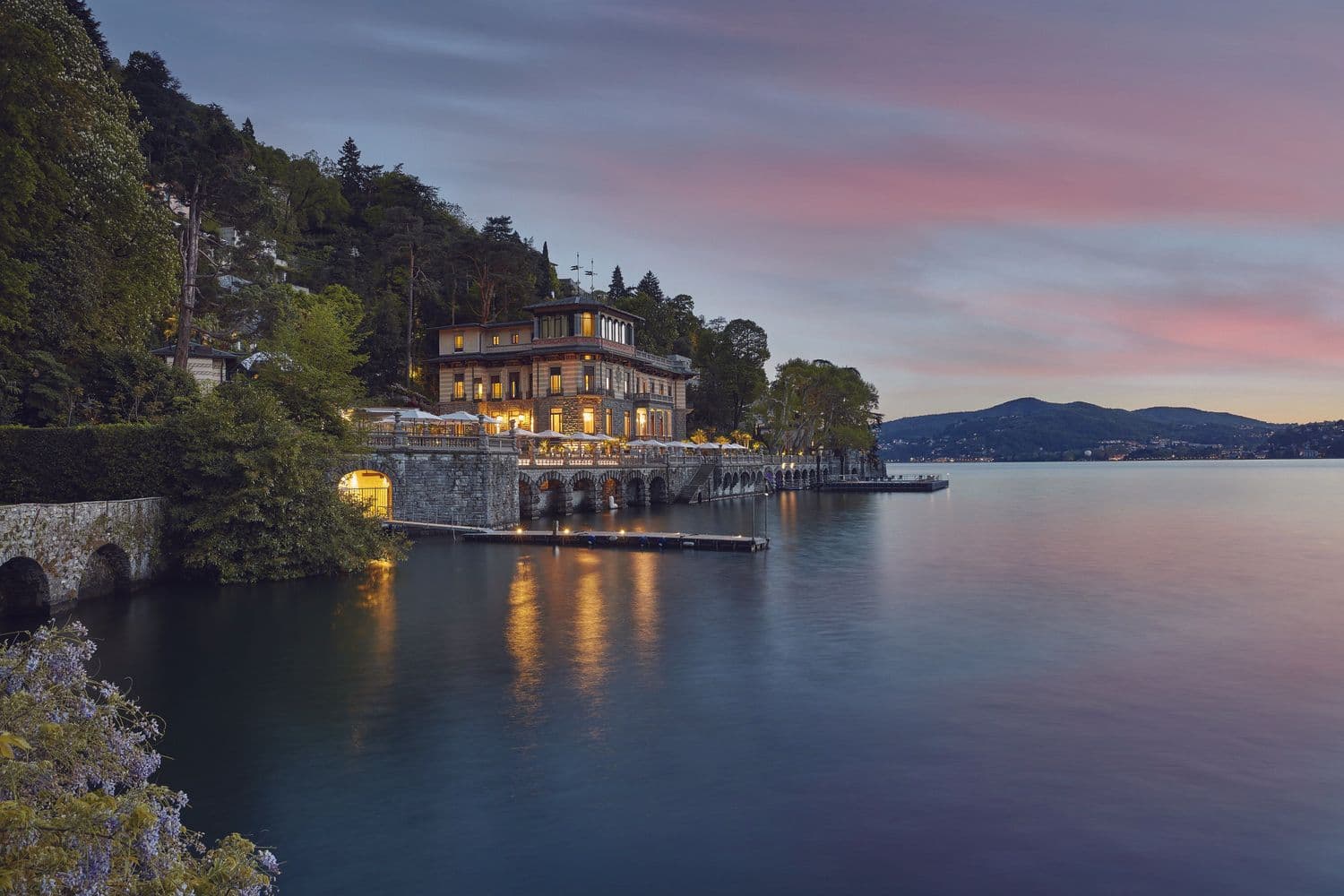
The property is undergoing a continuous enhancement process through a Property Improvement Program aimed at the progressive upgrade of rooms, suites, and common areas, while respecting the surrounding landscape and architectural context.
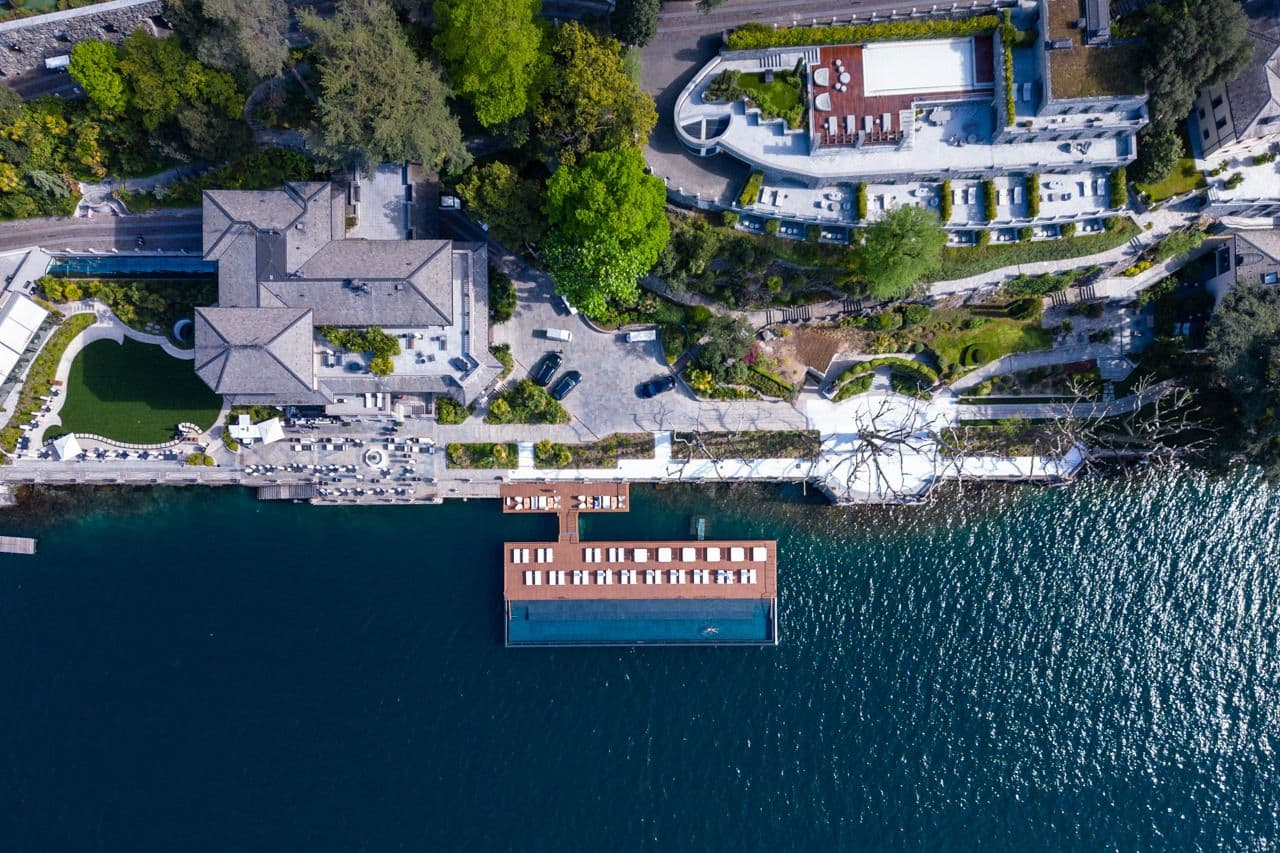
The Property Improvement Program is managed by Lombardini22 as Project and Construction Manager and includes integrated planning, executive design, cost control, supplier selection, site supervision, and safety coordination. The process involves specialized consultants and contractors, operating in constant coordination with the property and hotel management.
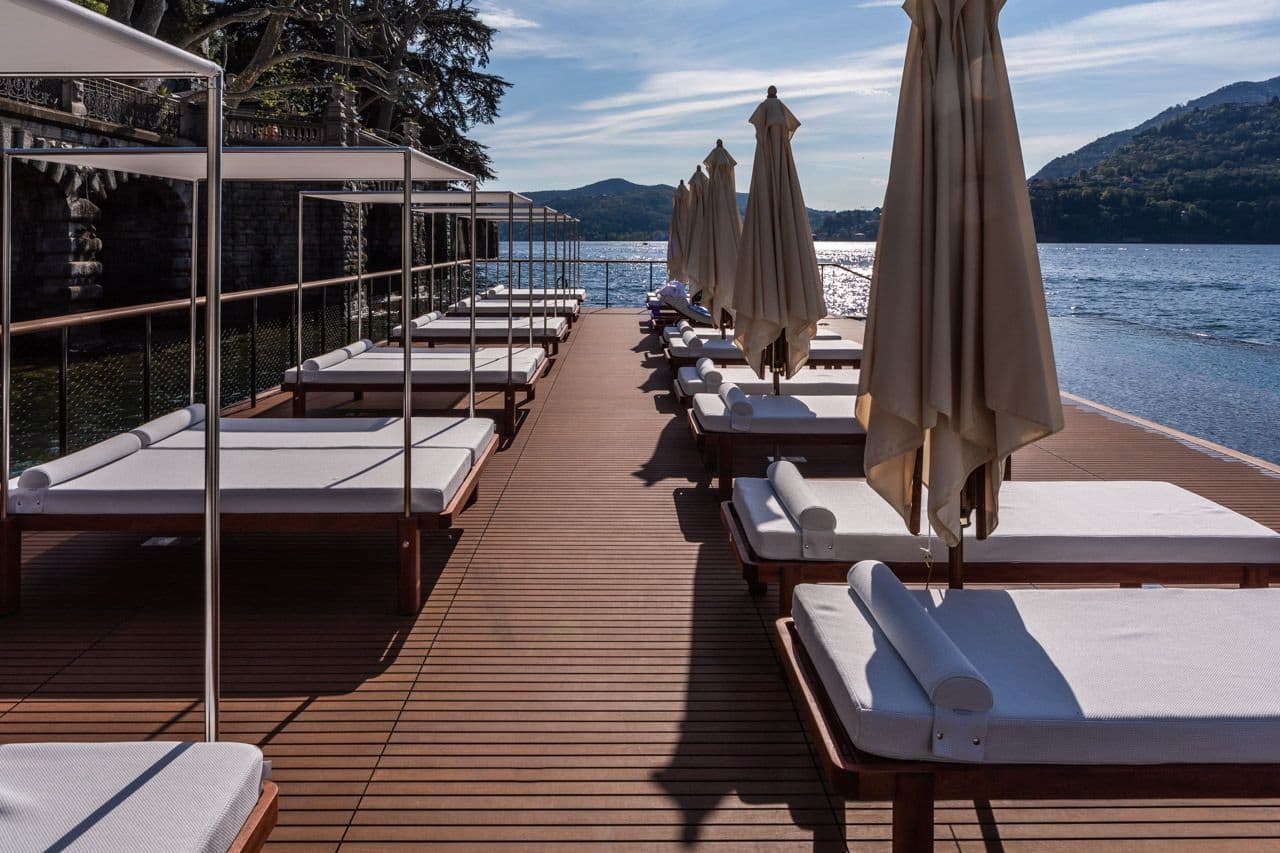
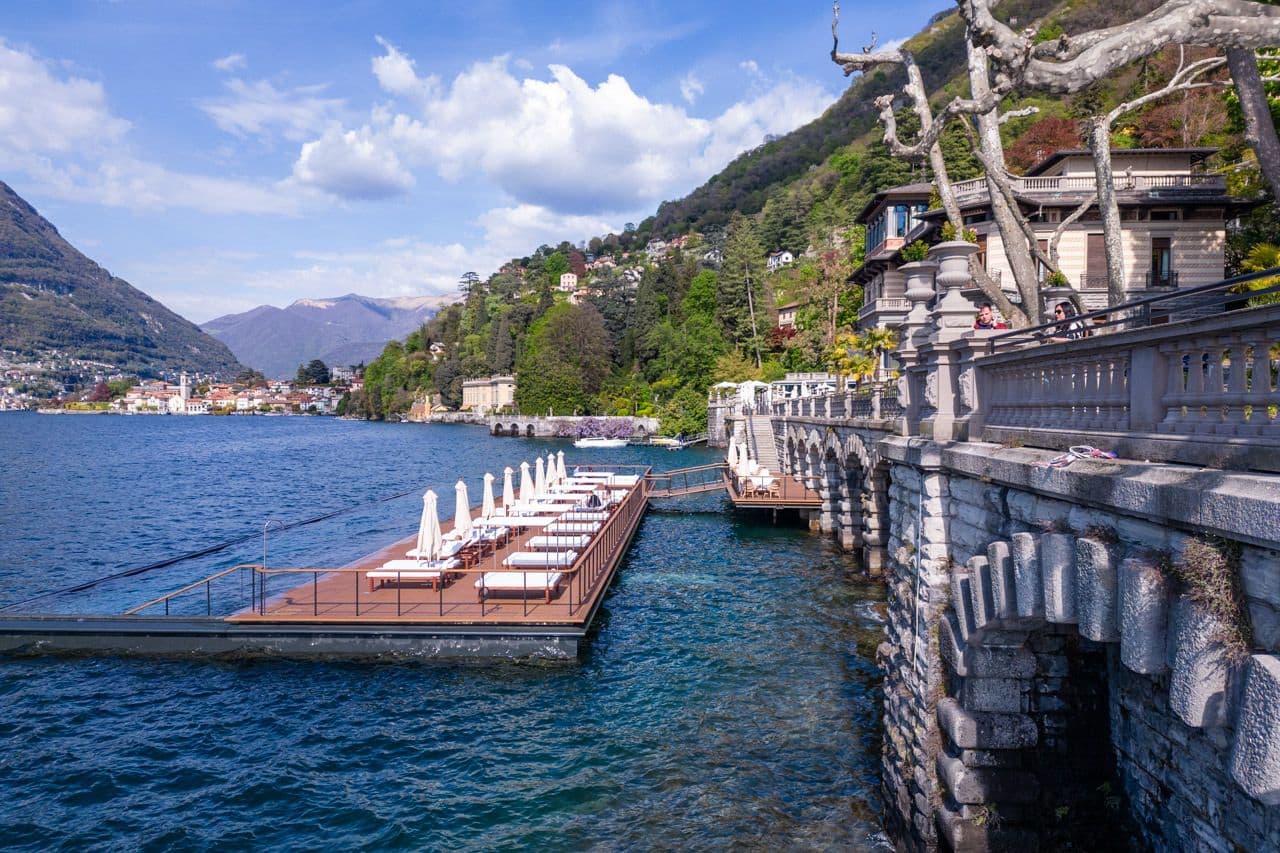
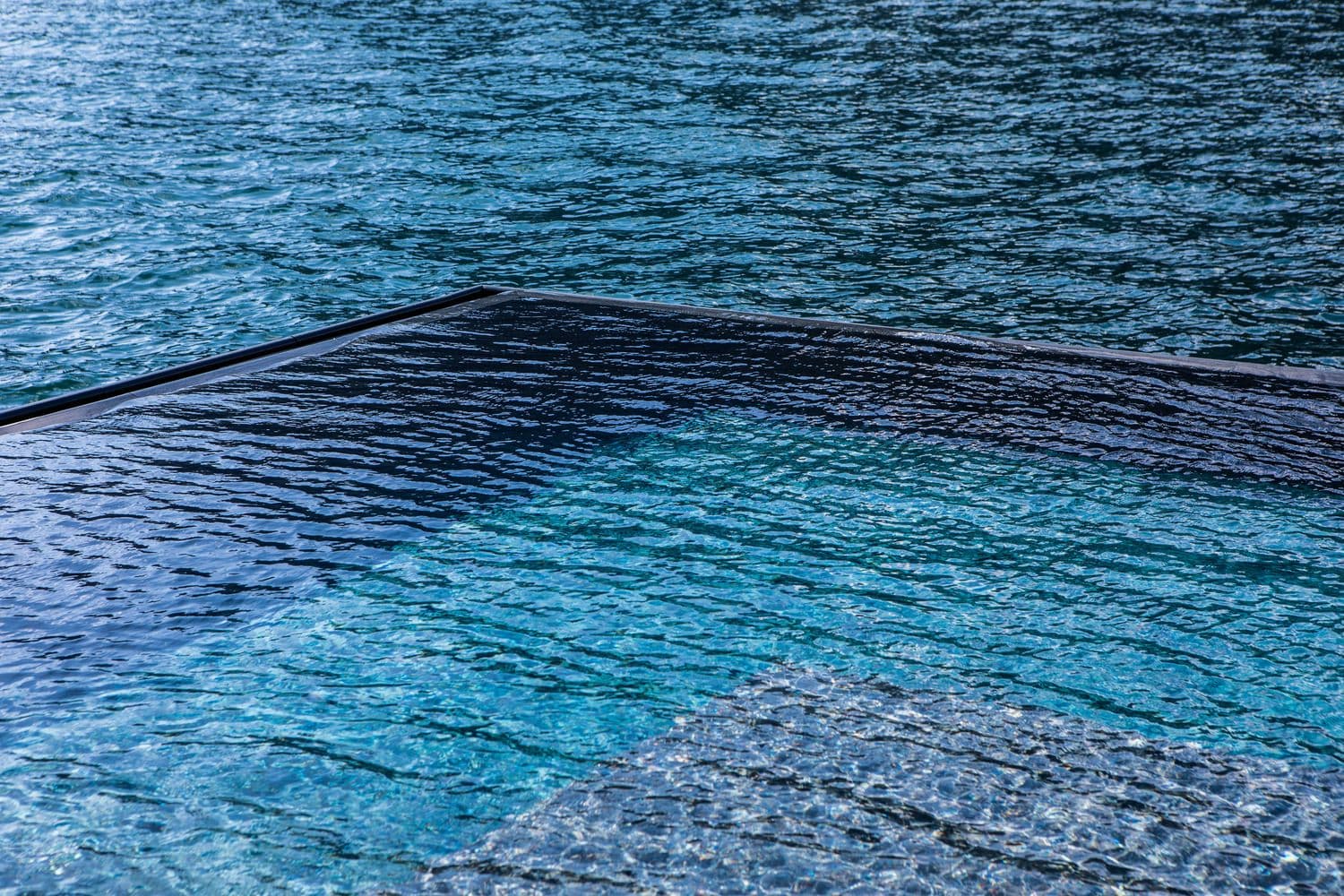
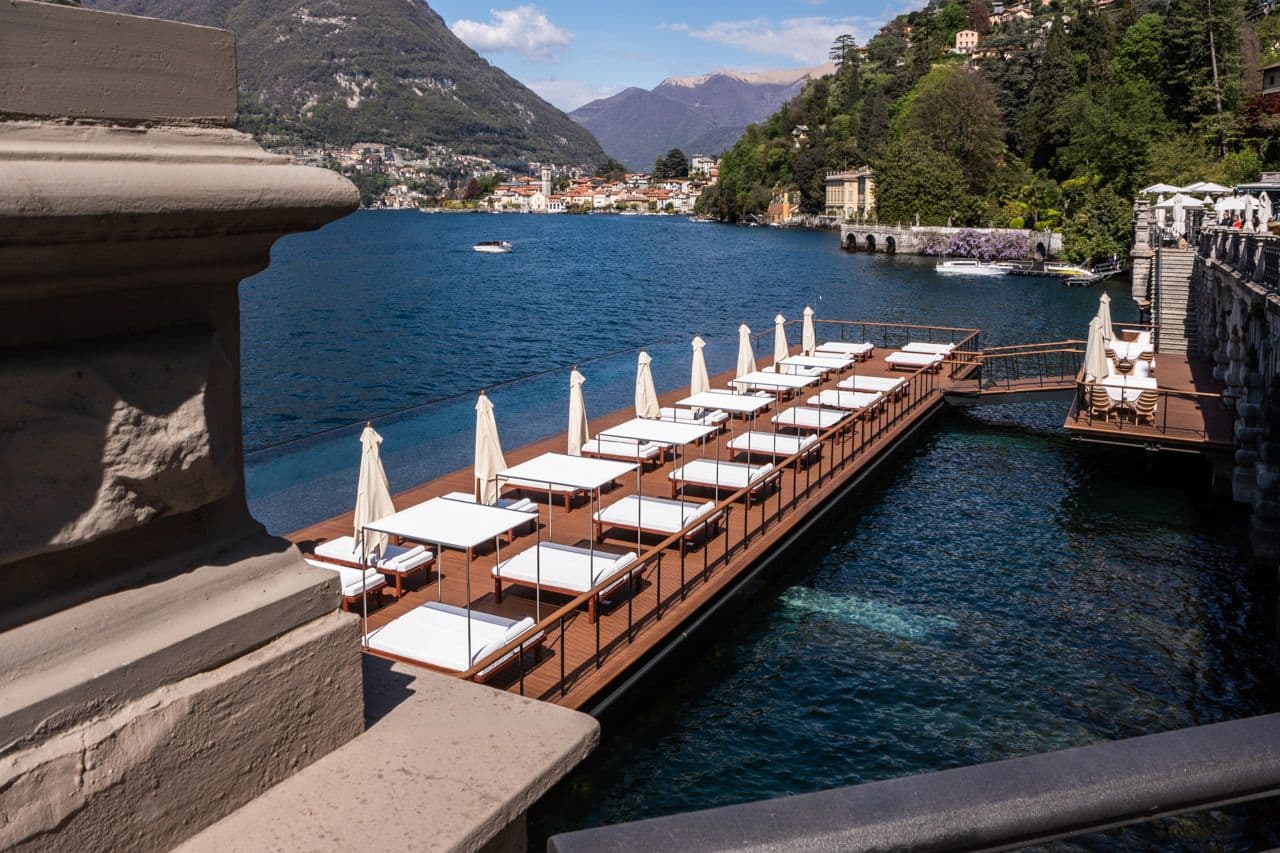
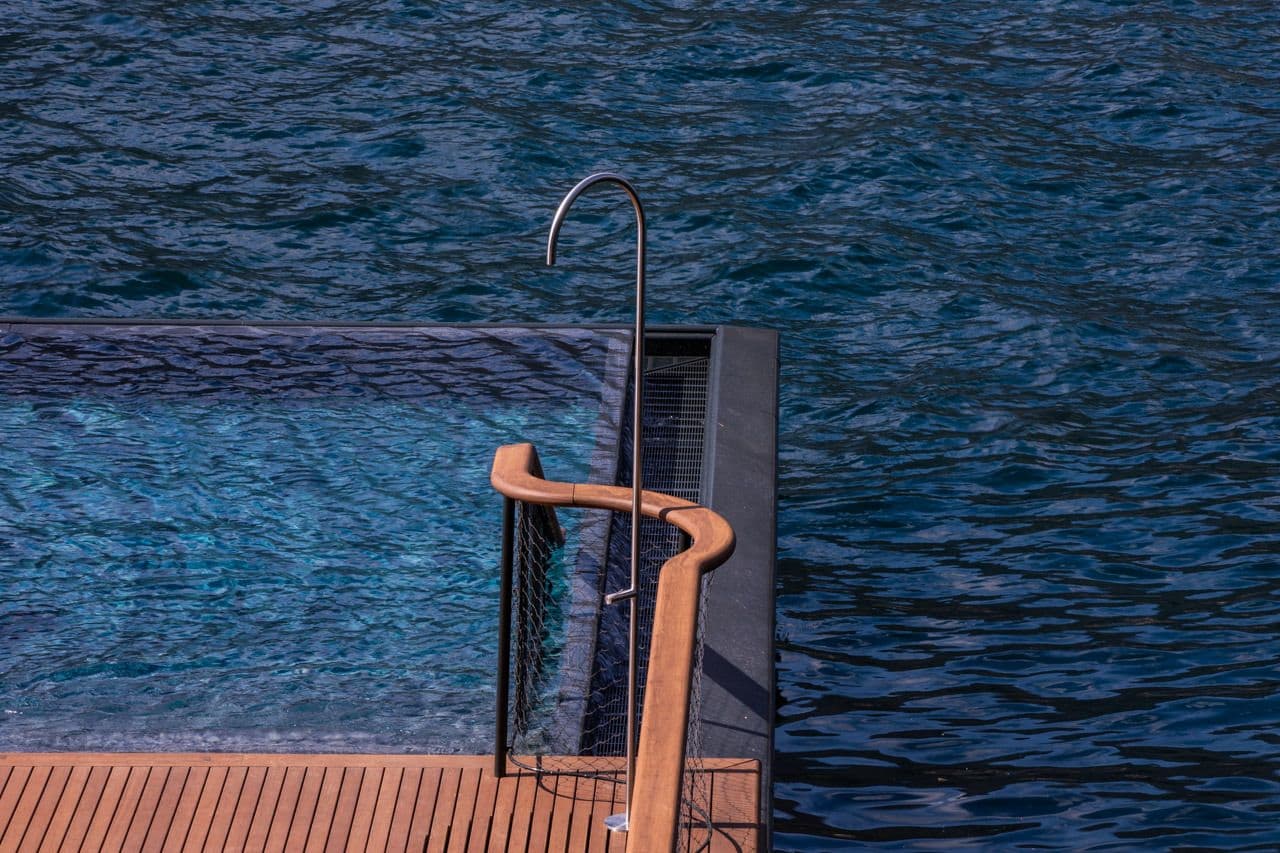
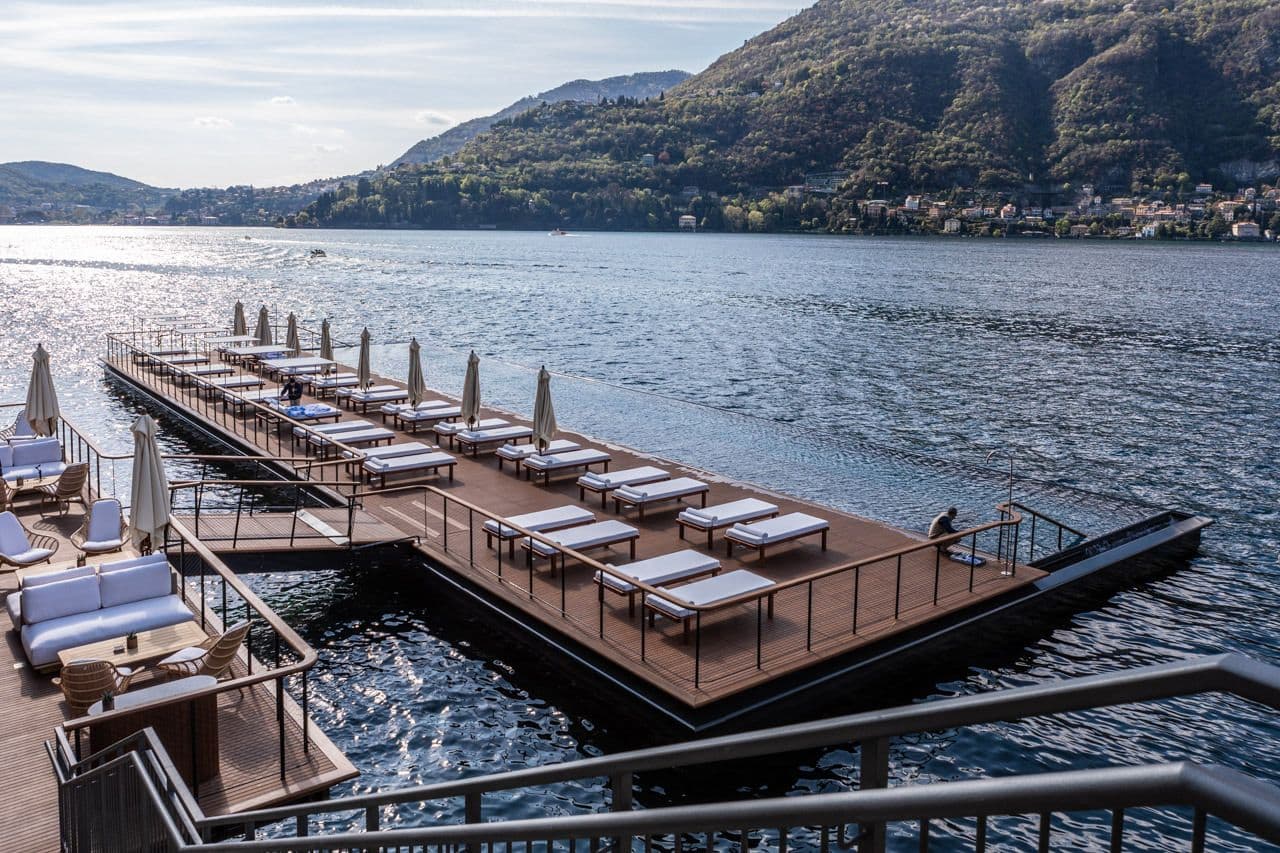
In collaboration with Herzog & de Meuron as design consultant, the first floating infinity pool on Lake Como was created. The 40-meter-long pool consists of a metal basin clad in Cardoso stone, designed to create a visual continuity with the lake. The structure was prefabricated in 13 modules in Finland, then transported by water and assembled on site.
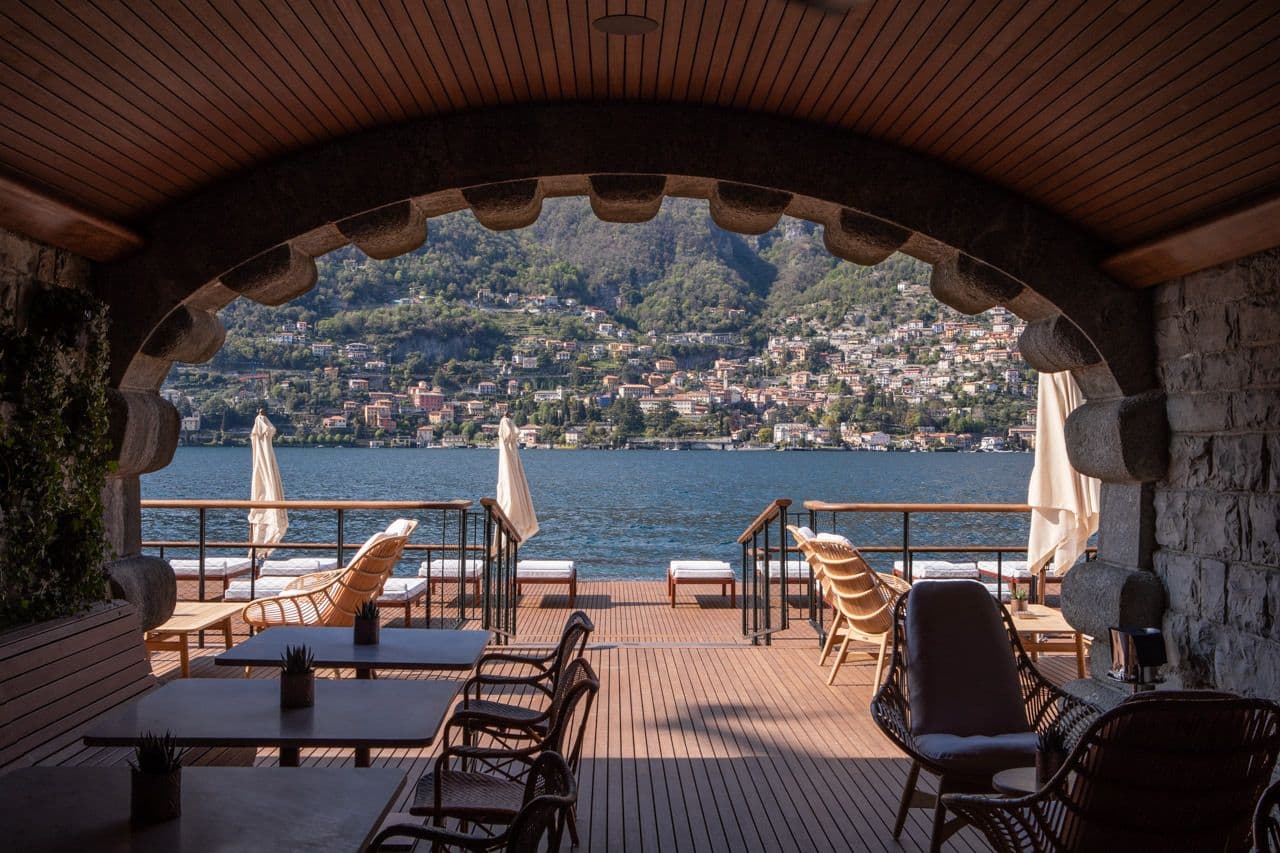
At the same time, the program included the refurbishment of the SPA, covering approximately 1,200 square meters, and the gym, through the introduction of high-end finishes such as walnut wood paneling and selected marbles, as well as the integration of advanced wellness technologies. The PIP also involved guest rooms, bathrooms, and common areas, with updates to finishes, furnishings, and service spaces, including the restaurant and bistro.
Construction management was carried out within particularly tight timeframes, taking into account constraints related to the hotel’s seasonal operation, the complexity of the existing buildings, and the fragmented nature of the interventions within a system of historic villas.
The construction of the pool required extensive preliminary studies, including lake hydrodynamics monitoring, physical scale modeling, and laboratory testing, conducted prior to transport and final assembly. The SPA refurbishment was completed in 130 days, coordinating structural and MEP works even in the absence of as-built documentation. The interdisciplinary integration of design expertise and the constant on-site presence of the team ensured compliance with timelines, quality standards, and the objectives of the enhancement program.