Universal Design
Inclusive spaces are quality spaces.
Universal Design responds to people’s ambitions and needs by adapting spaces to a wide range of accessibility requirements: physical, cognitive, sensory and cultural.
This approach guides designers towards inclusive solutions, expands the spectrum of satisfied users, supports ethical business practices, enhances corporate competitiveness, and opens up new opportunities for socially responsible positioning. It’s the environment that disables: when a space does not account for individual differences, it creates physical, cognitive or sensory barriers. Universal Design works to meet the needs of everyone.
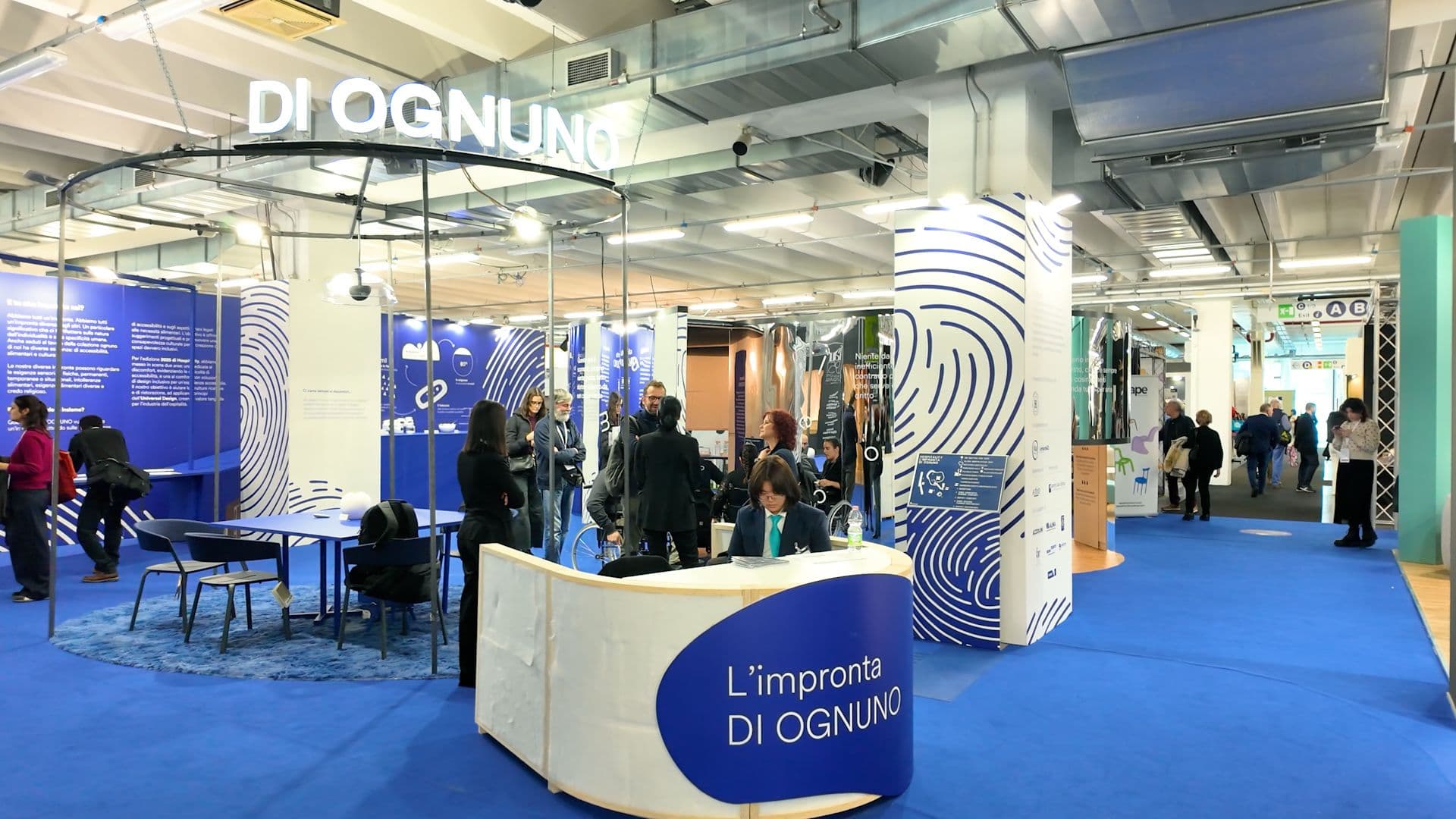
Starting from an analysis of actual usage conditions, we identify elements that hinder autonomy, orientation and understanding of the environment. We move beyond segmentation by age, background or ability, designing solutions that expand the experience for all types of users. This approach makes spaces more intuitive, comfortable and welcoming, strengthens the connection between people and places, and generates positive and visible social impact.
We analyse how spaces meet diverse physical, cognitive and sensory accessibility needs, identifying barriers that limit autonomy, orientation, comfort and comprehension. Through detailed audits, evaluation reports and targeted intervention plans, we support organisations in making decisions that enhance people’s experiences and increase the long-term value of spaces, taking them beyond standard compliance.
We analyse how spaces meet diverse physical, cognitive and sensory accessibility needs, identifying barriers that limit autonomy, orientation, comfort and comprehension.
Through detailed audits, evaluation reports and targeted intervention plans, we support organisations in making decisions that enhance people’s experiences and increase the long-term value of spaces, taking them beyond standard compliance.
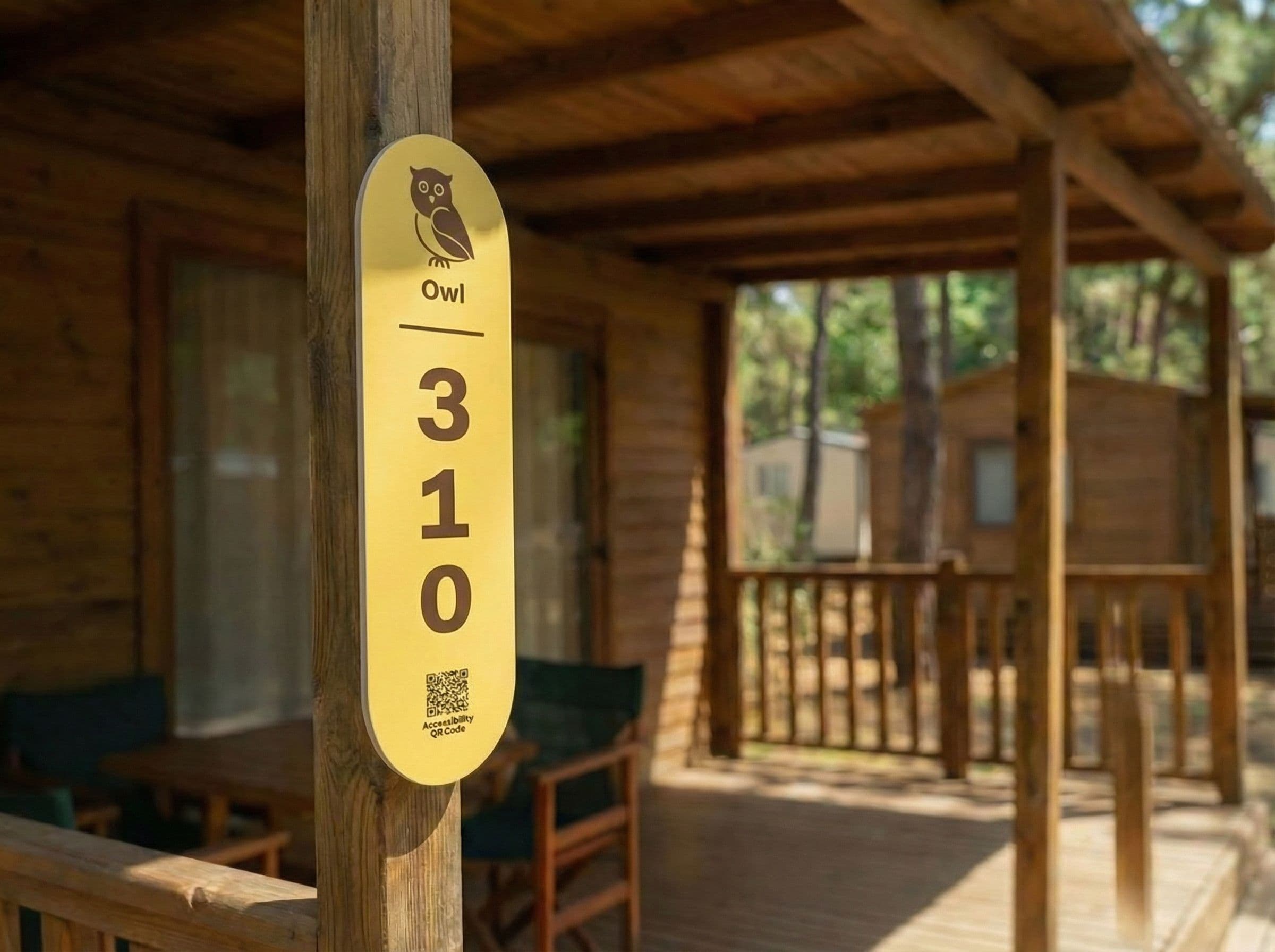
We design spaces that integrate Universal Design principles into every component: layout, interior design, wayfinding, lighting, acoustics, multisensory design and accessible communication. Our environments are intuitive, welcoming and responsive to diverse accessibility needs, combining aesthetics, functionality and perceptual well-being.
We design spaces that integrate Universal Design principles into every component: layout, interior design, wayfinding, lighting, acoustics, multisensory design and accessible communication. Our environments are intuitive, welcoming and responsive to diverse accessibility needs, combining aesthetics, functionality and perceptual well-being.
DO YOU WANT TO KNOW OUR POINT OF VIEW?